


Bringing home a new puppy is exciting, but it comes with responsibilities. Our ultimate puppy health checklist covers everything from vet visits to daily care, giving you peace of mind and ensuring your puppy’s well-being.
Puppy Health Checklist: Your Complete Guide to a Happy, Healthy Puppy
Ever brought home a new puppy and suddenly felt overwhelmed by all the “what ifs”? What if they get sick? What if you miss something important? What if—despite your best efforts—you’re not doing enough?
A puppy health checklist isn’t just a list—it’s your peace of mind. It’s the difference between frantic midnight Google searches and confident, proactive care. Let’s make sure you’ve got everything covered.
The Ultimate Puppy Health Checklist
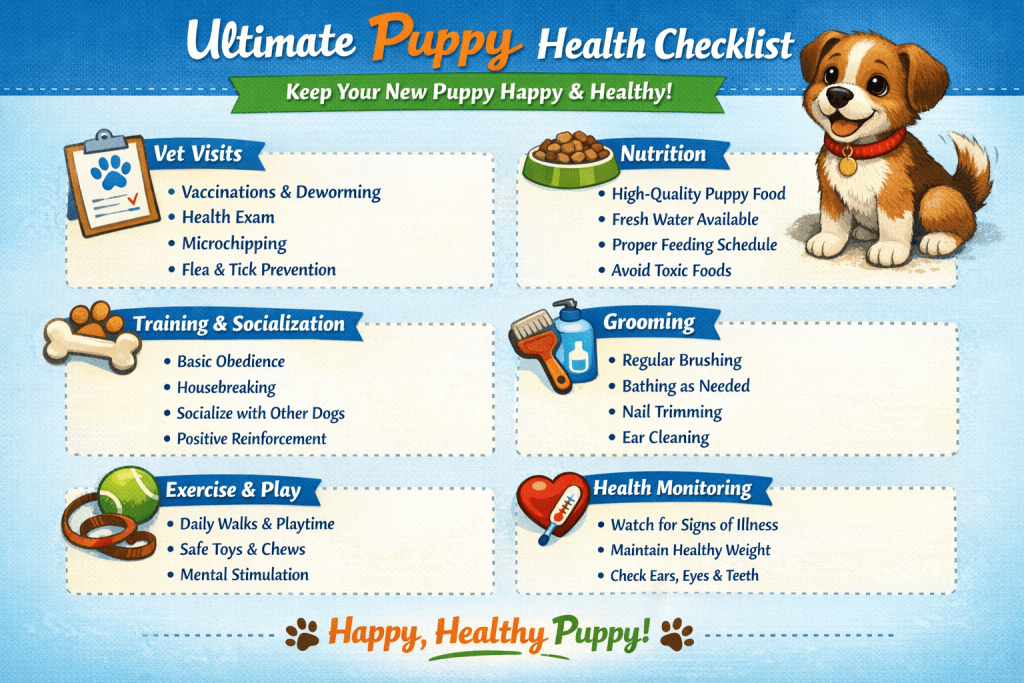
Here’s your complete puppy health checklist, covering everything from vet visits to daily care:
| Category | Checklist Items |
|---|---|
| Vet Visits | Initial exam within 48 hours, Vaccination schedule (DHPP, Rabies, Bordetella), Deworming (every 2-4 weeks until 12 weeks), Fecal exam (check for parasites), Heartworm prevention started |
| Nutrition | High-quality puppy food (AAAFCO approved), Feeding schedule (3-4 meals/day), Fresh water always available, Avoid human food (especially chocolate, grapes, onions), Monitor weight weekly |
| Grooming | Brush coat 2-3 times/week, Bathe every 3-4 weeks (puppy-safe shampoo), Nail trimming every 2-3 weeks, Ear cleaning weekly, Teeth brushing 2-3 times/week |
| Exercise | 5 minutes per month of age, twice daily, Supervised playtime, Avoid overexertion, Socialization with other dogs |
| Safety | Puppy-proof home (secure cords, toxic plants removed), ID tags with current info, Microchipping, Safe toys (no small parts), Emergency vet contact saved |
| Training | Start basic commands (sit, stay, come), Crate training, Potty training schedule, Socialization with people/dogs, Positive reinforcement only |
| Monitoring | Daily health checks (eyes, ears, nose), Watch for lethargy/appetite changes, Check for fleas/ticks weekly, Monitor stool quality, Track growth/weight |
First 48 Hours: The Critical Vet Visit
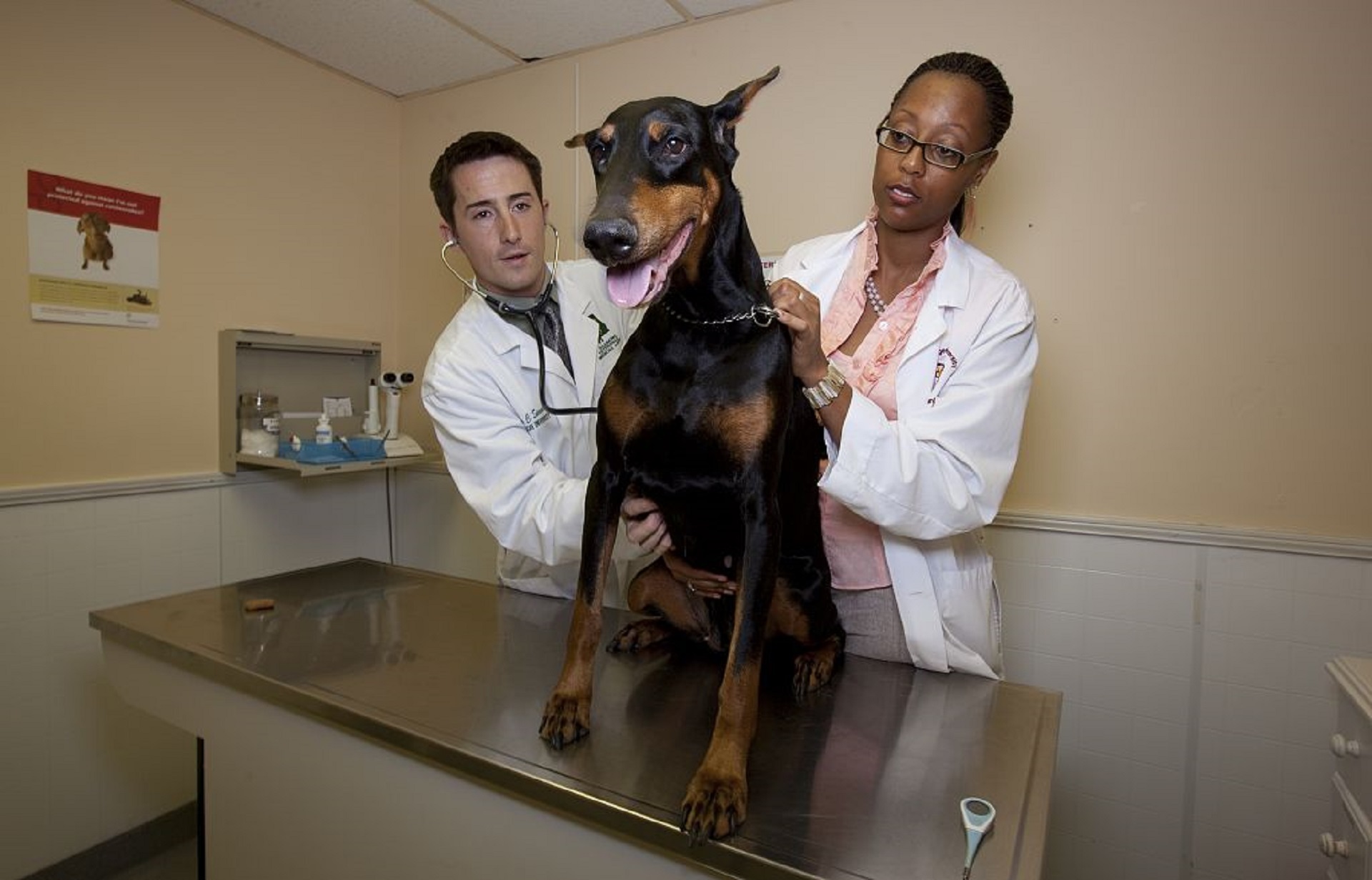
That first vet visit? It’s not just important—it’s urgent. Within 48 hours of bringing your puppy home, you need a comprehensive checkup. Here’s what should happen:
- Complete Physical Exam – Nose to tail check for congenital issues
- Vaccination Review – Verify what shots they’ve had, create schedule
- Parasite Screening – Fecal exam for worms, check for fleas
- Nutrition Consult – Recommend food type/amount for breed
- Behavior Assessment – Early signs of temperament issues
💡 Pro Tip: Bring any records from the breeder, including vaccination history and deworming schedule. This helps your vet create an accurate health plan.
Vaccination Schedule: Don’t Miss These
Puppy vaccinations aren’t optional—they’re lifesaving. Here’s the standard schedule:
| Age | Vaccines Due | Notes |
|---|---|---|
| 6-8 weeks | DHPP (Distemper, Hepatitis, Parvovirus, Parainfluenza) | First in series |
| 10-12 weeks | DHPP booster, Bordetella (Kennel Cough) | Critical for socialization |
| 14-16 weeks | DHPP final booster, Rabies | Rabies required by law |
| 12-16 weeks | Leptospirosis (if recommended) | Area-dependent |
| 6 months | Rabies booster (if required) | Check local laws |
Nutrition: More Than Just Food
That puppy food aisle can be overwhelming. Here’s what matters:
- Look for “complete and balanced” on the label (AAAFCO statement)
- Puppy-specific formulas have higher protein (22-32%) and fat (10-25%)
- Avoid generic “all life stages” formulas—they don’t meet puppy needs
- Portion control is critical—overfeeding leads to joint problems
📊 Feeding Guide:
- 8-12 weeks: 4 meals/day
- 3-6 months: 3 meals/day
- 6+ months: 2 meals/day
Grooming: It’s About Health, Not Just Looks
Regular grooming prevents serious health issues:
- Brushing removes dead hair and distributes skin oils
- Nail trimming prevents painful joint issues
- Ear cleaning prevents infections (especially in floppy-eared breeds)
- Teeth brushing prevents dental disease (80% of dogs show signs by age 3)
Exercise: The Right Amount Matters
Too little exercise = boredom and destruction. Too much = joint damage. The rule:
5 minutes of exercise per month of age, twice daily
So a 3-month-old puppy needs 15 minutes of structured exercise, twice a day.
Safety First: Puppy-Proof Like a Pro
Your home is full of hidden dangers:
- Electrical cords – Chewing risk (electrocution)
- Toxic plants – Lilies, sago palms, aloe vera
- Small objects – Choking hazards
- Open windows – Screen security check
- Cleaning supplies – Secure cabinets
Training: Start Early, Stay Consistent
Training isn’t just about obedience—it’s about safety:
- Potty Training – Take out every 1-2 hours, after meals, after naps
- Crate Training – Safe space, not punishment
- Basic Commands – Sit, stay, come (lifesaving recall)
- Socialization – Expose to new people, dogs, environments (critical window: 8-16 weeks)
Monitoring: Know What’s Normal
Daily health checks take 60 seconds but catch issues early:
- Eyes: Clear, no discharge
- Ears: Clean, no odor
- Nose: Moist but not runny
- Coat: Shiny, no bald patches
- Stool: Firm, consistent color
- Energy: Playful, not lethargic
When to Call the Vet Immediately
Some symptoms can’t wait:
- Lethargy (won’t eat, sleepy all day)
- Vomiting/Diarrhea (especially with blood)
- Difficulty breathing
- Seizures
- Sudden limping
- Bloated abdomen (emergency—could be GDV)
Puppy Health Checklist FAQs
How often should I take my puppy to the vet?
Puppies need vet visits every 3-4 weeks until 16 weeks old for vaccinations and checkups. After that, monthly visits until 6 months, then every 6 months for healthy adults.
What’s the most important thing in puppy care?
Consistency. Consistent feeding, training, exercise, and vet care prevent most problems. Puppies thrive on routine—it reduces stress and makes training easier.
How do I know if my puppy is healthy?
A healthy puppy has bright eyes, clean ears, a shiny coat, good appetite, normal stool, and plenty of energy. They should be curious and playful, not lethargic or hiding.
What should I feed my puppy?
Choose a high-quality puppy food with real meat as the first ingredient. Look for the AAFCO statement confirming it’s “complete and balanced” for growth. Avoid fillers like corn, wheat, and soy.
How much exercise does a puppy need?
Follow the 5-minute rule: 5 minutes of exercise per month of age, twice daily. So a 4-month-old needs 20 minutes of structured exercise, twice a day. Avoid forced exercise like long runs.
What are common puppy health problems?
Watch for parvovirus (vaccinate!), worms, fleas, ear infections, and digestive issues. Breed-specific issues vary—research your puppy’s breed risks.
How do I puppy-proof my home?
Get on your hands and knees and look for hazards. Secure cords, remove toxic plants, lock cabinets, block stairs, and create safe zones with baby gates.
What vaccines does my puppy absolutely need?
Core vaccines: DHPP (distemper, hepatitis, parvovirus, parainfluenza) and rabies. Non-core but recommended: bordetella (kennel cough), leptospirosis, and canine influenza.
How do I choose a good vet?
Ask for recommendations from local dog owners. Look for AAHA-accredited hospitals. Visit first—clean facility, friendly staff, and good communication are key.
What’s the biggest mistake new puppy owners make?
Overfeeding and overexercising. Puppies grow fast, and too much of either can cause joint problems. Stick to recommended portions and exercise limits—your adult dog will thank you.
📚 Related Articles
Final Thought: You’ve Got This
That puppy health checklist might look overwhelming now, but here’s the secret: it becomes routine faster than you think. In a few weeks, you’ll be checking ears and brushing teeth without thinking twice.
Your puppy’s health starts with you. With this checklist, you’re not just prepared—you’re ahead of the game. Now go enjoy that wiggly, happy little life you’ve brought into your home.
Next Step: Find your perfect puppy from responsible breeders.